
SynTech announces acquisition of major US Ecotoxicology and Analytical capability

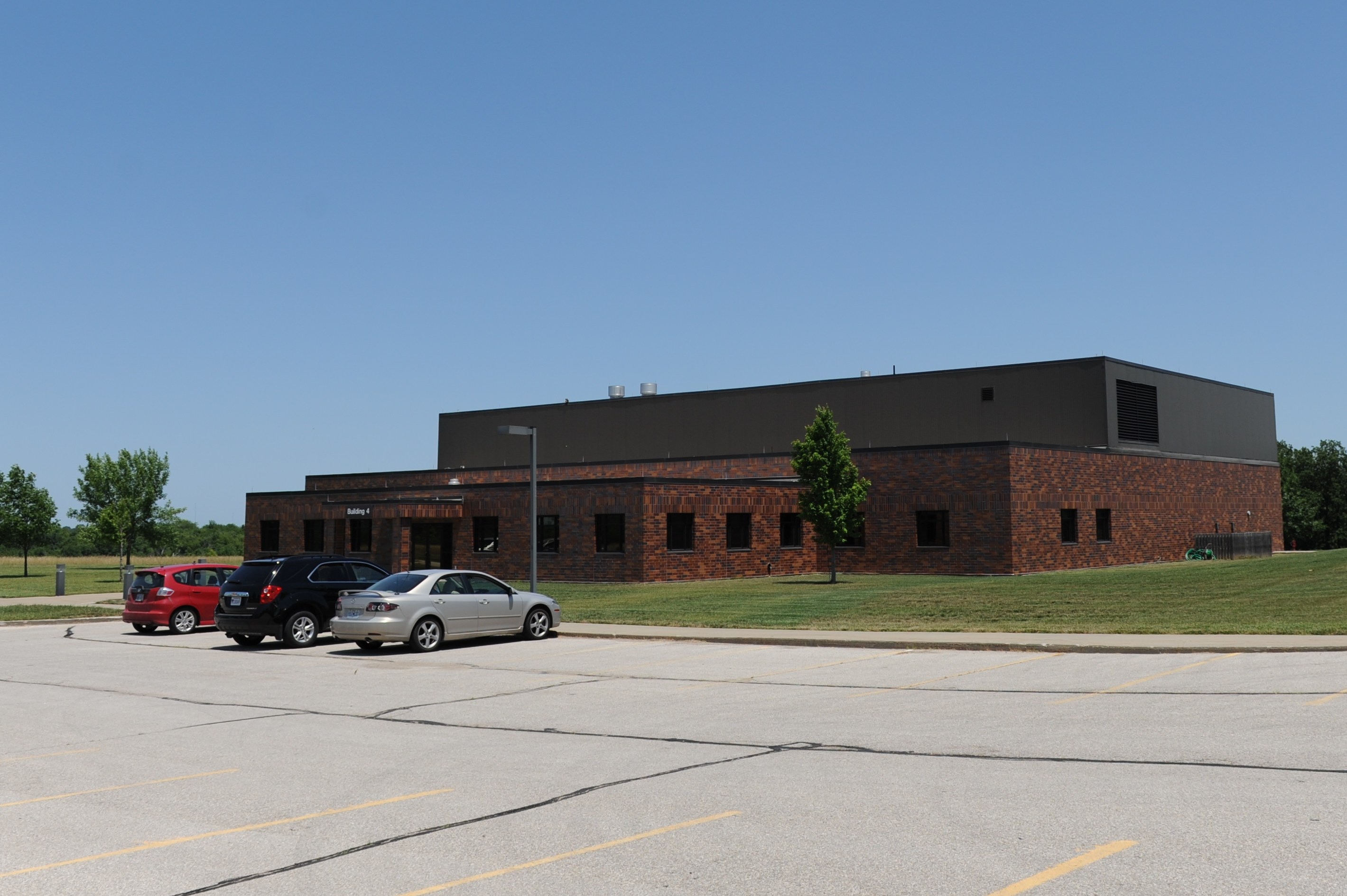
SynTech laboratory, Stilwell, Kansas, USA

SynTech Research is acquiring Bayer CropScience’s state-of-the-art US Ecotoxicology capability at the Bayer Research Park near Stilwell, Kansas.  The unit’s activities include both short and long-term avian (acute and reproduction) and aquatic (fish, plants, invertebrates and amphibia) studies. Thirteen of the current Bayer CropScience Ecotoxicology staff at the Stilwell site will transfer to SynTech Research, and will continue to perform studies for Bayer CropScience. Following the acquisition, SynTech intends to add further staff to increase the unit’s capacity, particularly in Regulatory/Risk Assessment.

SynTech Research will also form a new Analytical unit at the Stilwell campus, which will include twelve former Bayer CropScience staff involved in Sample Processing, Study Management, Quality Assurance, and Administrative capabilities.

Dr. Khosro Khodayari, President and CEO of SynTech Research, Inc., said, “This is a very exciting event for SynTech Research, allowing us to make a global extension of our Ecotoxicology offering, already well represented in Europe. We can now provide a complete package to our clients worldwide, including avian, aquatic, bee and non-target organism studies, accompanied by analytical and regulatory support”.

As well as supporting our Ecotoxicology services globally, the analytical teams will also provide a significantly enhanced GLP offering to SynTech Research customers worldwide, many of whom want a complete package of field trials and associated analytical studies, managed by a SynTech Research Study Director.

 The Ecotoxicology, Analytical and QA teams at Stilwell will form part of a new SynTech Research company – SynTech Research Laboratory Services, LLC., which will become operational from today.

 “We are delighted to be able to take on such high quality staff and facilities from Bayer CropScience, as well as the opportunity to manage Bayer CropScience programs – and of course those of other customers” said Dr. Khodayari.

Other related posts

New Policy Brief Critically Analyzing the Scientific Basis for Identifying the Cosmetic Industry’s Contribution to the Extended Producer Responsibility within the UWWTD

The revised Urban Wastewater Treatment Directive (UWWTD; Directive 2024/3019) requires the implementation of quaternary treatment at large wastewater treatment plants to remove micropollutants from wastewater. To cover the associated costs, the Directive introduces an Extended... read more

Good Place to Work – Interviewing Federico Orsi de los Reyes

We are excited to feature Federico Orsi de los Reyes, an indispensable member of SynTech Research Group, based in Uruguay. In this interview, Federico shares insights into his role, motivations and experiences working at SynTech... read more

Anses Updates National Bee Protection Requirements in France: What PPP Authorization Holders Need to Know in 2026

The Agence nationale de sécurité sanitaire (Anses) has published Version 5 of its Information Note on the national provisions for the protection of bees and other pollinating insects, updated as of July 1st 2026. The... read more

Anses Clarifies Implementation of EU Regulation 2026/1120 on Newly Prohibited Co-formulants in France

On 27 May 2026, the European Commission published Regulation (EU) 2026/1120, amending Annex III of Regulation (EC) No 1107/2009 by adding 12 co-formulants that can no longer be accepted in plant protection products. The regulation... read more

Good Place to Work – Interviewing Beatriz Blanco

We are excited to feature Beatriz Blanco, an indispensable member of SynTech Research Group, based in Mexico City, Mexico. In this interview, Beatriz shares insights into her role, motivations and experiences working at SynTech Research... read more

EPA Launches $30 Million Challenge to Help American Farmers Grow Healthy Food

On July 1st 2026, the U.S. Environmental Protection Agency (EPA), announced a national innovation challenge with up to $30 million in total prize funding. The challenge will support practical, cost-effective alternatives to conventional chemical crop... read more